

A healthy lifestyle is not built in a single day. It develops through small decisions that you make consistently, such as choosing nutritious food, staying physically active, getting enough sleep, and taking care of your mental well-being.
Many people believe that living healthily requires expensive food, strict routines, or complicated fitness programmes. In reality, some of the most effective lifestyle improvements are simple and affordable.
The secret is to develop habits that fit naturally into your everyday life and that you can maintain over the long term.
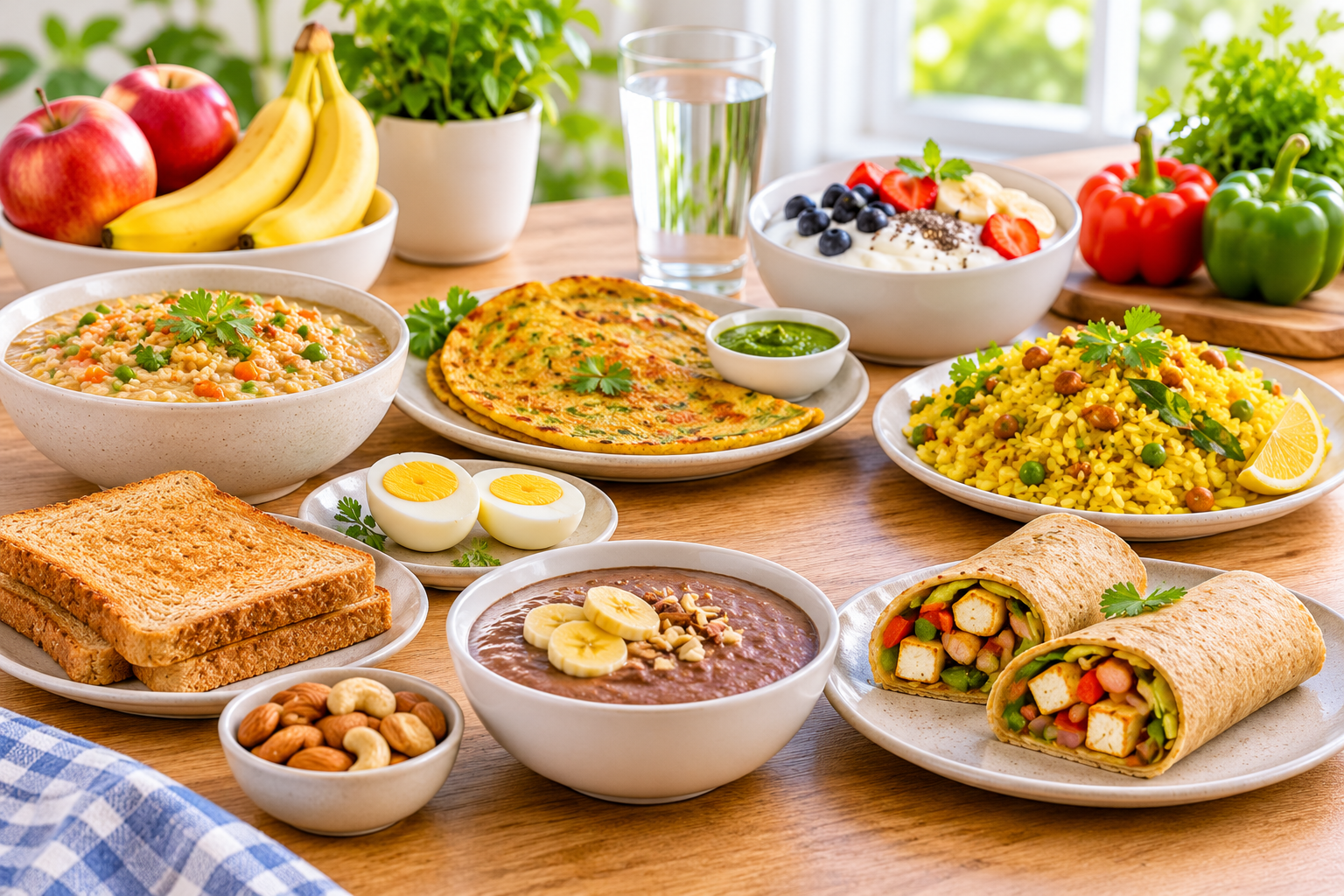 Also Read10 Healthy Breakfast Recipes to Start Your Day RightBreakfast is often called the most important meal of the day. After several hours of overnight fasting, a nutritious breakfast can help provide energy and…
In this article, we will explore ten healthy lifestyle habits that can help you improve your daily routine and support your overall well-being.
1. Start Your Day with a Healthy Morning Routine
The way you begin your morning can influence how you approach the rest of your day.
Instead of immediately checking your phone or rushing into work, give yourself some time to wake up comfortably.
A simple morning routine may include:
- Drinking a glass of water.
- Opening the windows for fresh air.
- Spending a few minutes stretching.
- Taking a short walk.
- Eating a nutritious breakfast if it suits your routine.
- Planning your important tasks.
You do not need to follow a complicated morning schedule. Even 15–20 minutes of peaceful activity can help you begin the day more mindfully.
2. Eat a Balanced and Nutritious Diet
Food provides the energy and nutrients your body needs to function properly.
A healthy eating pattern should include a variety of foods rather than depending on only a few ingredients.
Try to include:
- Seasonal fruits and vegetables.
- Whole grains such as oats, brown rice, and whole wheat.
- Protein sources such as lentils, beans, eggs, fish, and dairy.
- Healthy fats from nuts, seeds, and suitable cooking oils.
- Enough water throughout the day.
Limit frequent consumption of sugary drinks, highly processed snacks, and foods containing excessive salt.
Remember that healthy eating does not mean giving up every food you enjoy. The goal is to make nutritious choices most of the time.
3. Make Physical Activity Part of Your Daily Life
Regular physical activity supports cardiovascular health, muscle strength, balance, and overall fitness.
You do not have to spend hours in a gym to remain active.
Simple activities include:
- Walking in the morning or evening.
- Cycling.
- Dancing.
- Gardening.
- Climbing stairs when appropriate.
- Performing simple exercises at home.
Adults should aim for at least 150–300 minutes of moderate-intensity aerobic activity each week, along with muscle-strengthening activities on at least two days.
If you have been inactive for a long time, begin with short sessions and gradually increase your activity.
4. Give Importance to Quality Sleep
Sleep is essential for physical recovery, brain function, emotional health, and daily performance.
Adults generally need at least seven hours of sleep each night, although individual needs can vary.
Poor sleep habits may affect concentration, mood, energy levels, and overall health.
To support better sleep:
- Maintain a consistent bedtime.
- Keep your bedroom comfortable and quiet.
- Reduce screen use before bedtime.
- Avoid heavy meals immediately before sleeping.
- Limit caffeine, especially later in the day.
- Develop a relaxing bedtime routine.
If you regularly experience difficulty sleeping or excessive daytime tiredness, consider discussing it with a healthcare professional.
5. Drink Enough Water
Water is essential for many important body functions, including digestion, temperature regulation, circulation, and the removal of waste products.
Not drinking enough fluids can contribute to dehydration, which may cause thirst, headache, tiredness, and dizziness.
Make hydration a regular habit:
- Keep drinking water accessible.
- Drink regularly throughout the day.
- Increase fluid intake when sweating more than usual.
- Include water-rich fruits and vegetables.
- Carry a reusable water bottle when travelling.
Your fluid requirements depend on your activity level, climate, diet, and health conditions.
6. Take Care of Your Mental Health
Physical health and mental well-being are closely connected.
Daily responsibilities, work pressure, financial concerns, and personal challenges can create stress.
Taking care of your mental health should be an important part of your lifestyle.
Some helpful habits include:
- Spending time with people you trust.
- Practising meditation or relaxation.
- Taking breaks from work.
- Enjoying hobbies.
- Spending time outdoors.
- Talking about your feelings when needed.
If emotional difficulties become persistent or interfere with everyday life, professional mental health support can be helpful.
7. Reduce Excessive Screen Time
Digital devices have become an important part of modern life. However, spending too much time on phones, computers, and televisions can affect sleep, movement, and concentration.
You do not need to stop using technology. Instead, develop healthier digital habits.
Try these practical steps:
- Avoid unnecessary phone use immediately after waking up.
- Take regular breaks during computer work.
- Avoid scrolling continuously without a purpose.
- Keep your phone away during meals.
- Reduce screen exposure before bedtime.
- Spend more time on offline activities.
A balanced relationship with technology can help you use digital devices more productively.
8. Maintain Healthy Personal Relationships
Positive relationships can contribute to emotional well-being and a sense of belonging.
Spending quality time with family, friends, and supportive people can make everyday life more enjoyable.
Healthy relationships are built through:
- Honest communication.
- Mutual respect.
- Listening to others.
- Offering support.
- Respecting personal boundaries.
- Spending meaningful time together.
You do not need a large social circle. A few supportive relationships can make a valuable difference.
9. Spend Time in Nature
Spending time outdoors can be a refreshing break from busy daily routines.
Walking in a park, sitting in a garden, or enjoying natural surroundings can provide opportunities for relaxation and physical activity.
Some simple ways to connect with nature include:
- Taking a morning walk in a park.
- Growing plants at home.
- Gardening.
- Walking in green spaces.
- Enjoying outdoor activities with family.
Even a short break outdoors can help you step away from screens and daily distractions.
10. Be Consistent Instead of Trying to Be Perfect
One of the biggest mistakes people make when improving their lifestyle is trying to change everything at once.
They may begin an extremely strict diet, exercise every day, or follow a complicated routine. Such changes can become difficult to maintain.
A better approach is to introduce one habit at a time.
For example:
- Week 1: Start walking for 15 minutes.
- Week 2: Add one serving of vegetables to your meals.
- Week 3: Establish a regular bedtime.
- Week 4: Reduce unnecessary screen time.
Small improvements can gradually become permanent habits.
Missing a day does not mean failure. Simply return to your routine when possible.
A Simple Daily Healthy Lifestyle Schedule
Here is an example of a balanced daily routine:
| Time | Healthy Activity |
|---|---|
| 6:30 AM | Wake up and drink water |
| 7:00 AM | Walking or light exercise |
| 8:00 AM | Healthy breakfast |
| 10:00 AM | Work with short movement breaks |
| 1:00 PM | Balanced lunch |
| 4:00 PM | Healthy snack and short break |
| 6:00 PM | Walking or recreational activity |
| 8:00 PM | Balanced dinner |
| 9:30 PM | Relaxation and reduced screen time |
| 10:30 PM | Bedtime |
This is only an example. Adjust the timings according to your work, family responsibilities, and personal needs.
Final Thoughts
A healthy lifestyle is not about following strict rules or making dramatic changes overnight.
It is about creating everyday habits that support your physical health, mental well-being, and quality of life.
Eating nutritious food, staying active, sleeping well, drinking enough water, managing stress, and maintaining positive relationships are practical steps towards a healthier future.
Start with one small improvement today. Once it becomes part of your routine, introduce another.
Over time, these simple habits can help you build a healthier, happier, and more balanced life.
Frequently Asked Questions
1. What are the most important healthy lifestyle habits?
Eating a balanced diet, staying physically active, getting enough sleep, drinking sufficient water, and taking care of mental health are important lifestyle habits.
2. Can I improve my lifestyle without going to the gym?
Yes. Walking, cycling, home exercises, dancing, and other physical activities can help you remain active without joining a gym.
3. How long does it take to develop a healthy habit?
It varies from person to person. Some habits may become easier within a few weeks, while others take longer. Consistency is more important than a fixed deadline.
 Also Read10 Simple Ways to Improve Sleep Quality NaturallyA good night's sleep is essential for maintaining physical health, mental well-being, and daily productivity. Yet, many people struggle to fall asleep, wake up frequently…
4. Is waking up early necessary for a healthy lifestyle?
No. Waking up early is not essential for everyone. Getting sufficient quality sleep and maintaining a consistent routine are more important.
5. Can small lifestyle changes improve health?
Yes. Consistent improvements in diet, physical activity, sleep, and daily routines can contribute to better overall health.
6. What is the easiest way to start living healthier?
Begin with one manageable change, such as walking for 15 minutes daily or including more vegetables in your meals. Gradually build additional healthy habits.
Health Disclaimer: This article is intended for general educational purposes only. It does not replace professional medical advice, diagnosis, or treatment. Individual health and lifestyle requirements may vary.