

Feeling worried or nervous from time to time is a normal part of being human. Before an important meeting, during an examination, or while dealing with an uncertain situation, most people experience some level of anxiety. “Learning practical ways to manage anxiety can help you deal with everyday worries and support better emotional well-being.”
However, when worry becomes frequent, intense, or difficult to control, it can affect everyday activities, sleep, concentration, and relationships.
Modern lifestyles, work pressure, financial responsibilities, and personal challenges can sometimes contribute to feelings of anxiety.
 Also Read10 Healthy Breakfast Recipes to Start Your Day RightBreakfast is often called the most important meal of the day. After several hours of overnight fasting, a nutritious breakfast can help provide energy and…
Although occasional anxiety cannot always be avoided, developing healthy coping habits may help you manage everyday worries more effectively.
Here are ten practical ways to manage anxiety and support better emotional well-being.
1. Understand What Triggers Your Anxiety
The first step towards managing anxiety is understanding what makes you feel worried or uncomfortable.
Different situations can trigger anxiety in different people.
Common triggers may include:
- Work-related pressure.
- Financial uncertainty.
- Family responsibilities.
- Health-related worries.
- Social situations.
- Fear of failure.
- Uncertainty about the future.
Try keeping a simple journal. Whenever you feel anxious, write down what happened, what you were thinking, and how you felt.
Over time, you may identify patterns that help you understand your emotional responses.
Recognising triggers does not automatically eliminate anxiety, but it can help you respond more thoughtfully.
2. Practise Slow and Gentle Breathing
When anxiety increases, breathing may become faster or shallower.
Gentle breathing exercises can provide a simple way to pause and relax.
Try this method:
- Sit comfortably.
- Relax your shoulders.
- Breathe gently through your nose.
- Allow your abdomen to move naturally.
- Slowly breathe out.
- Continue for a few minutes.
Do not force deep breaths or hold your breath for long periods.
If you feel dizzy or uncomfortable, return to normal breathing.
Practising this exercise regularly may help you become more familiar with relaxation techniques.
3. Stay Physically Active
Regular physical activity supports both physical and mental health.
Walking, cycling, swimming, dancing, and other enjoyable activities can help improve mood and general well-being.
You can begin with simple activities:
- Walk for 15–20 minutes.
- Take short movement breaks.
- Try gentle yoga.
- Spend time outdoors.
- Participate in recreational sports.
Adults should aim for 150–300 minutes of moderate-intensity aerobic activity each week.
If you have been inactive, start slowly and increase activity gradually.
Choose an exercise that you enjoy because consistency is more important than following an extremely demanding routine.
4. Avoid Excessive Caffeine
Caffeine is found in coffee, tea, chocolate, energy drinks, and some other products.
For some people, excessive caffeine can increase restlessness, interfere with sleep, or produce physical sensations such as a racing heartbeat.
If you frequently feel anxious, observe how caffeine affects you.
You can try:
- Reducing strong tea or coffee.
- Avoiding energy drinks.
- Limiting caffeine in the afternoon.
- Choosing caffeine-free alternatives.
- Drinking enough water.
You do not necessarily need to eliminate caffeine completely. Pay attention to your individual sensitivity.
5. Improve Your Sleep Routine
Sleep and emotional well-being are closely connected.
Insufficient or disturbed sleep can make it more difficult to manage everyday challenges.
To support better sleep:
- Maintain a regular bedtime.
- Wake up at a consistent time.
- Reduce screen use before sleeping.
- Keep your bedroom comfortable.
- Avoid excessive caffeine late in the day.
- Follow a relaxing evening routine.
Most adults need at least seven hours of sleep each night.
If anxiety repeatedly prevents you from sleeping, consider discussing it with a healthcare professional.
6. Challenge Unhelpful Thinking Patterns
Anxiety sometimes involves repeatedly imagining negative outcomes, even when there is little evidence that they will happen.
For example, before an important presentation, someone might think:
“What if I make a mistake? What if everyone laughs at me? What if everything goes wrong?”
Instead of accepting every anxious thought as a fact, pause and examine it.
Ask yourself:
- Is this thought based on evidence?
- Am I assuming the worst possible outcome?
- What is a more balanced way to look at this situation?
- What practical step can I take right now?
You do not need to force yourself to think positively all the time.
The goal is to develop more realistic and balanced thinking.
7. Reduce Unnecessary Social Media Use
Continuous exposure to online news, negative content, and social comparisons may increase feelings of worry in some people.
Social media can also create unrealistic expectations about success, appearance, relationships, and lifestyle.
Try developing healthier digital habits:
- Limit unnecessary scrolling.
- Avoid repeatedly checking disturbing news.
- Unfollow accounts that make you feel uncomfortable.
- Turn off unnecessary notifications.
- Spend more time on offline activities.
- Avoid comparing your daily life with carefully edited online content.
Use technology for useful purposes while protecting your personal time and attention.
8. Talk to Someone You Trust
Keeping every worry to yourself can sometimes make emotional pressure feel greater.
Talking with someone who listens without judging may help you organise your thoughts and feel supported.
You can connect with:
- A trusted family member.
- A close friend.
- A supportive colleague.
- A counsellor.
- A qualified mental health professional.
You do not always need immediate solutions.
Sometimes, having someone listen carefully can be valuable.
If you are uncomfortable discussing personal concerns with people around you, professional counselling can provide a confidential and supportive environment.
9. Focus on the Present Moment
Anxiety often involves worrying about things that have not happened yet.
Mindfulness is a practice that involves paying attention to the present moment without immediately judging your thoughts and feelings.
A simple grounding exercise is the 5-4-3-2-1 technique.
Notice:
- Five things you can see.
- Four things you can physically feel.
- Three things you can hear.
- Two things you can smell.
- One thing you can taste.
This exercise can help redirect your attention towards your immediate surroundings.
Another option is to spend a few minutes observing your breathing or listening carefully to the sounds around you.
Choose a technique that feels comfortable.
10. Seek Professional Support When Needed
Lifestyle changes can support emotional well-being, but they are not always enough to manage persistent anxiety.
If anxiety regularly interferes with your work, sleep, relationships, or daily activities, professional support may be helpful.
A qualified mental health professional can assess your symptoms and recommend appropriate treatment.
Treatment options may include:
- Cognitive behavioural therapy (CBT).
- Other forms of psychotherapy.
- Stress-management strategies.
- Medication when clinically appropriate.
- Support for related sleep or health problems.
Seeking professional help is not a sign of weakness. It is a positive step towards taking care of your health.
Common Signs of Anxiety
Anxiety can affect both the mind and the body.
Some commonly reported symptoms include:
Emotional Symptoms
- Persistent worry.
- Feeling restless.
- Irritability.
- Difficulty concentrating.
- Feeling overwhelmed.
Physical Symptoms
- Rapid heartbeat.
- Muscle tension.
- Sweating.
- Stomach discomfort.
- Difficulty sleeping.
These symptoms can also occur with other medical conditions. Do not assume that every physical symptom is caused by anxiety.
Seek medical advice when symptoms are persistent, severe, or unusual.
A Simple Daily Routine to Support Emotional Well-Being
A balanced daily routine can provide structure and opportunities for self-care.
| Time | Activity |
|---|---|
| 6:30 AM | Wake up and freshen up |
| 7:00 AM | Gentle walking or stretching |
| 8:00 AM | Healthy breakfast |
| 10:00 AM | Focused work with short breaks |
| 1:00 PM | Balanced lunch |
| 4:00 PM | Short outdoor break |
| 6:00 PM | Exercise or recreational activity |
| 7:30 PM | Family time |
| 8:30 PM | Dinner |
| 9:30 PM | Reading or relaxation |
| 10:30 PM | Bedtime |
This is only an example. Adjust the routine according to your responsibilities and personal needs.
Final Thoughts
Anxiety can make everyday situations feel more difficult, but you do not have to manage every worry alone.
Understanding your triggers, practising gentle breathing, staying active, improving sleep, and maintaining supportive relationships can help you develop healthier coping habits.
Remember that lifestyle changes are supportive measures, not a replacement for professional treatment when anxiety becomes persistent or severe.
Start with small steps and be patient with yourself.
Taking care of your emotional well-being is an important part of living a healthy and balanced life.
Frequently Asked Questions
1. What is the easiest way to manage everyday anxiety?
Gentle breathing, walking, maintaining a regular sleep schedule, and talking to someone you trust are practical starting points.
2. Can exercise help with anxiety?
Regular physical activity may support better mood and emotional well-being. Choose activities that suit your fitness level.
3. Does caffeine increase anxiety?
Excessive caffeine can increase restlessness and anxiety-like physical symptoms in some people. Individual sensitivity varies.
4. Can poor sleep make anxiety worse?
Insufficient sleep can make emotional regulation more difficult and may contribute to increased feelings of worry.
5. Is anxiety a mental health condition?
Occasional anxiety is a normal emotional response. Persistent, excessive anxiety may be associated with an anxiety disorder and should be evaluated by a qualified professional.
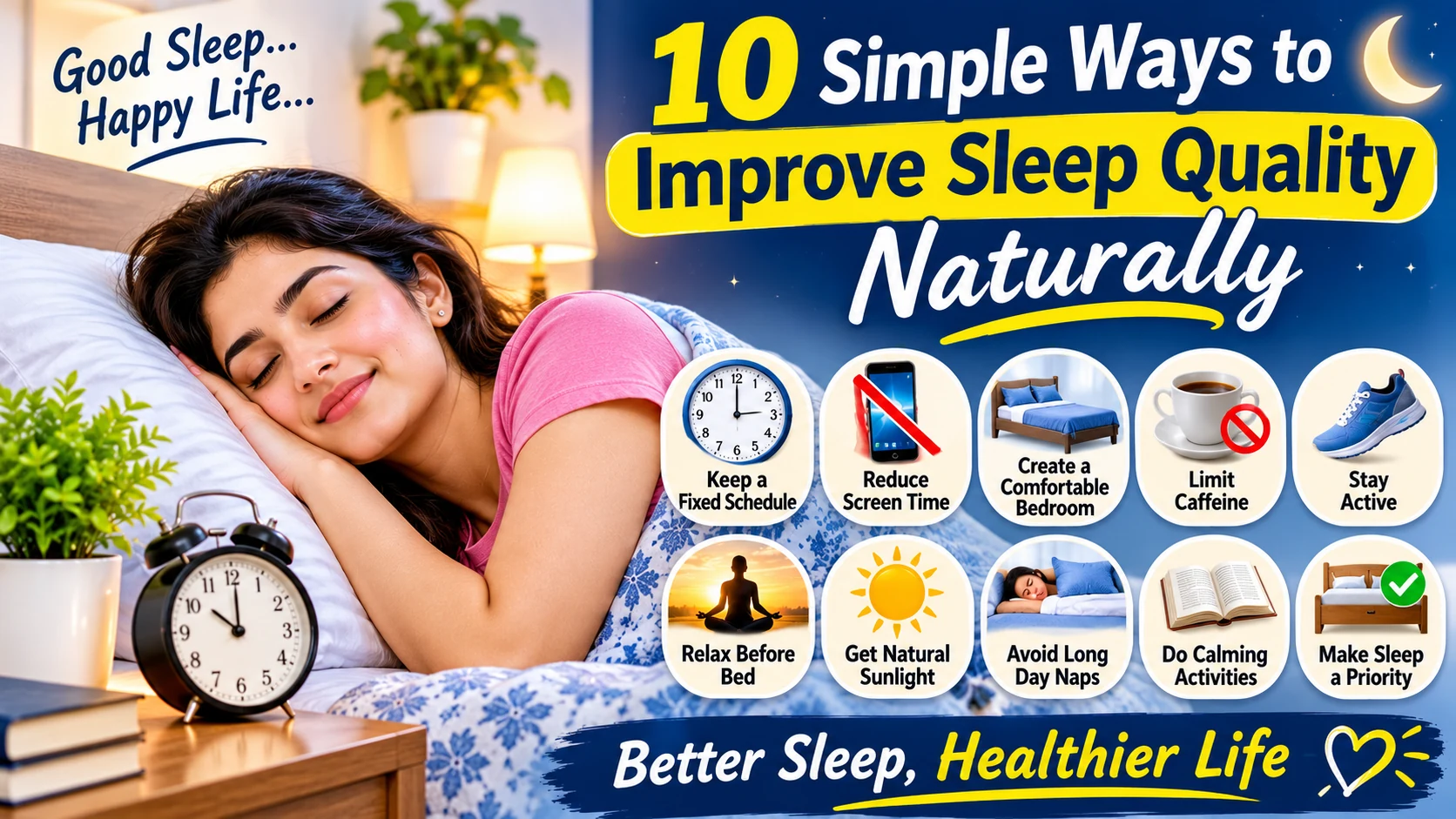 Also Read10 Simple Ways to Improve Sleep Quality NaturallyA good night's sleep is essential for maintaining physical health, mental well-being, and daily productivity. Yet, many people struggle to fall asleep, wake up frequently…
6. When should I seek professional help?
Seek help when anxiety becomes persistent, difficult to manage, or starts interfering with your everyday activities, relationships, or sleep.
7. Can anxiety be managed without medication?
Some people may benefit from lifestyle changes and psychological therapies, such as cognitive behavioural therapy (CBT). However, treatment depends on individual needs. Consult a qualified healthcare professional to discuss suitable options.
Health Disclaimer: This article is intended for general educational purposes only. It does not replace professional medical or mental health advice, diagnosis, or treatment. Consult a qualified healthcare professional if you experience persistent or severe anxiety.