

Protein is one of the most important nutrients your body needs to stay healthy, strong, and active. Whether you want to maintain muscle strength, support your immune system, improve your diet, or simply feel healthier, getting enough protein is essential.
However, many people are unsure about how much protein they actually need. Some believe that protein is only important for people who exercise, while others think they must consume expensive protein powders to meet their daily requirements.
The truth is that protein is important for everyone, and many everyday foods can provide it.
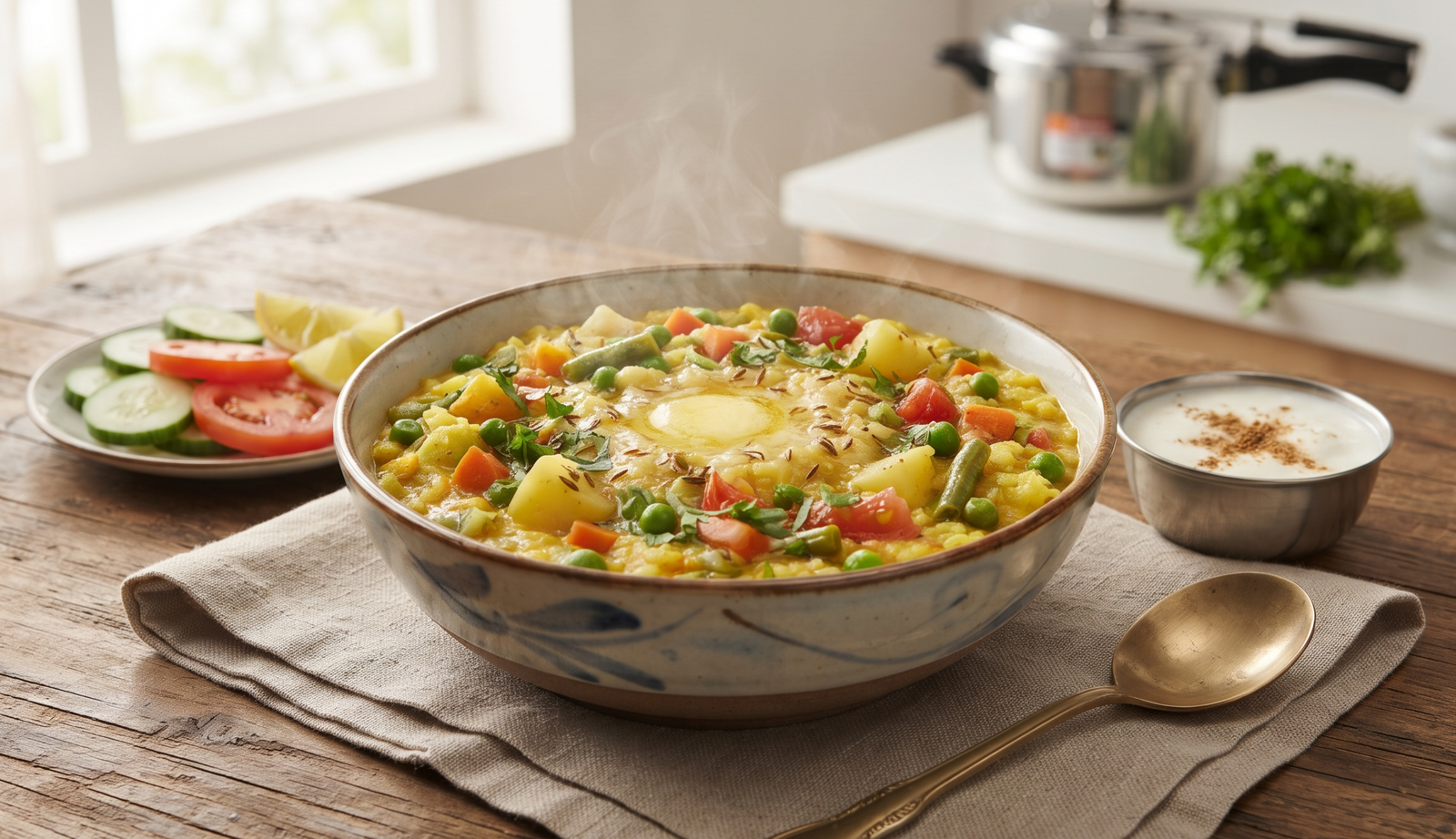 Also ReadHealthy Vegetable Khichdi Recipe: Easy, Nutritious and Delicious“Healthy vegetable khichdi is one of the most comforting and nutritious dishes prepared in Indian households.”. Made with rice and lentils, this traditional meal is…
In this guide, we will explore why protein matters, how much you need daily, the best food sources, and practical ways to include more protein in your meals.
1. What Is Protein and Why Does Your Body Need It?
Protein is an essential nutrient made up of smaller units called amino acids. Your body uses these amino acids to build and repair tissues and perform several important functions.
Protein supports:
- Muscle growth and repair.
- Healthy skin, hair, and nails.
- Production of enzymes and hormones.
- Normal immune system function.
- Repair and maintenance of body tissues.
- Various metabolic processes.
Unlike carbohydrates and fats, protein does not have a dedicated storage pool in the body. This is one reason regular dietary intake is important.
2. How Much Protein Do You Need Every Day?
Protein requirements depend on several factors, including body weight, age, physical activity, and health status.
For healthy adults, a commonly used recommended dietary allowance is approximately 0.8 grams of protein per kilogram of body weight per day.
Here are some examples:
| Body Weight | Approximate Daily Protein |
|---|---|
| 50 kg | 40 g |
| 55 kg | 44 g |
| 60 kg | 48 g |
| 65 kg | 52 g |
| 70 kg | 56 g |
| 75 kg | 60 g |
| 80 kg | 64 g |
These are general reference estimates, not personalized prescriptions.
People who exercise regularly, older adults, pregnant or breastfeeding women, and individuals recovering from illness may have different requirements.
3. Best Vegetarian Sources of Protein
You do not need to eat meat to get enough protein. Indian vegetarian diets offer several useful protein-rich foods.
Lentils and Dal
Moong dal, masoor dal, toor dal, and urad dal are everyday sources of plant protein.
Including different varieties of dal in your meals can help improve overall dietary variety.
Paneer
Paneer provides protein along with calcium. It can be included in curries, salads, sandwiches, and homemade meals.
Chickpeas and Beans
Chickpeas, kidney beans, black gram, and other legumes provide protein and dietary fibre.
They can be used in salads, curries, and traditional Indian dishes.
Milk and Yogurt
Milk, curd, and Greek yogurt provide protein and other nutrients.
Plain yogurt can be a convenient addition to breakfast or snacks.
Nuts and Seeds
Almonds, peanuts, pumpkin seeds, chia seeds, and sunflower seeds contain protein.
They also provide healthy fats and other nutrients. However, they are energy-dense, so portion sizes matter.
Soy Products
Soybeans, tofu, and soy chunks are useful plant-based protein options.
They can be especially helpful for people following vegetarian or vegan diets.
4. Non-Vegetarian Sources of Protein
People who eat animal products have several additional options.
Some commonly available sources include:
- Eggs.
- Chicken.
- Fish.
- Lean meat.
- Milk and dairy products.
Eggs are versatile and can be prepared in many ways. Fish can provide protein along with beneficial omega-3 fats, depending on the variety.
Choose cooking methods such as boiling, grilling, steaming, or baking more often than deep-frying.
5. Signs Your Diet May Not Provide Enough Protein
Inadequate protein intake over time can affect normal body functions.
Possible signs of poor nutritional intake may include:
- Reduced muscle strength.
- Unintended muscle loss.
- Slow recovery from illness or injury.
- Hair and skin changes.
- Fatigue or weakness.
- Frequent infections in cases of significant malnutrition.
These symptoms are not specific to protein deficiency. They can have many causes, including other nutritional deficiencies and medical conditions.
If you experience persistent symptoms, consult a qualified healthcare professional rather than trying to diagnose yourself.
6. Simple Ways to Include More Protein in Your Daily Diet
You do not need to completely change your eating habits. Small adjustments can make your meals more balanced.
At breakfast: Include eggs, milk, yogurt, paneer, or a protein-rich dal preparation.
At lunch: Add a serving of dal, chickpeas, kidney beans, curd, or another protein-rich food.
As an evening snack: Try roasted chana, peanuts, yogurt, or a small portion of nuts and seeds.
At dinner: Include paneer, tofu, lentils, eggs, fish, or chicken according to your dietary preference.
Try to include a protein source in your main meals instead of depending on only one meal to provide most of your daily protein.
7. Do You Need Protein Supplements?
Protein powders and supplements are popular, particularly among people who exercise.
However, most people can obtain adequate protein through a balanced diet.
Supplements may be convenient in certain situations, but they are not essential for everyone.
Before using protein supplements, consider your daily food intake, health conditions, allergies, and individual requirements.
People with kidney disease or other medical conditions should seek professional advice before making significant changes to protein intake.
8. Common Protein Myths You Should Stop Believing
Myth 1: Only gym-goers need protein.
Fact: Protein is essential for everyone, including people who do not exercise regularly.
Myth 2: Vegetarian diets cannot provide enough protein.
Fact: Lentils, beans, dairy products, soy, nuts, and seeds can contribute significantly to daily protein intake.
Myth 3: More protein is always better.
Fact: Protein requirements vary. Consuming excessive amounts does not automatically improve health or muscle strength.
Myth 4: Protein supplements are necessary for muscle growth.
Fact: A balanced diet can provide protein. Exercise, adequate energy intake, recovery, and consistency also matter.
9. Make Protein a Regular Part of Your Healthy Diet
Protein is an essential part of a balanced diet. It supports muscle maintenance, tissue repair, immune function, and many other processes.
The best approach is to include a variety of protein-rich foods in your daily meals.
Choose foods that suit your lifestyle, dietary preferences, budget, and health needs. A combination of lentils, beans, dairy products, soy, nuts, seeds, eggs, or fish can help create a nutritious eating pattern.
Remember, healthy eating is not about following complicated rules or purchasing expensive supplements. It is about making informed food choices consistently.
Frequently Asked Questions
1. How much protein should an average adult eat daily?
A commonly used reference for healthy adults is approximately 0.8 grams per kilogram of body weight daily. Individual needs may vary.
2. Which vegetarian food has the most protein?
Soybeans, soy chunks, lentils, beans, paneer, and certain dairy products are useful vegetarian protein sources.
 Also Read10 Healthy Lifestyle Habits That Can Transform Your LifeA healthy lifestyle is not built in a single day. It develops through small decisions that you make consistently, such as choosing nutritious food, staying…
3. Can I get enough protein without supplements?
Yes. Many people can meet their protein requirements through a varied and balanced diet.
4. Is protein important if I do not exercise?
Yes. Protein supports tissue repair, immune function, and normal body maintenance, regardless of exercise habits.
5. Is eating protein at every meal necessary?
Including a protein source in your main meals is a practical way to distribute protein throughout the day.
Health Disclaimer: This article is for general educational purposes only. It does not replace personalized medical or nutritional advice. People with medical conditions or special dietary requirements should consult a qualified healthcare professional.