

“Healthy vegetable khichdi is one of the most comforting and nutritious dishes prepared in Indian households.”. Made with rice and lentils, this traditional meal is simple, affordable, and easy to prepare.
Adding fresh vegetables to khichdi makes it more colourful, flavourful, and nutritious. It is an excellent option for lunch or dinner when you want something wholesome without spending too much time in the kitchen.
Whether you are preparing a quick weekday meal or looking for a simple homemade comfort food, vegetable khichdi is worth including in your regular meal plan.
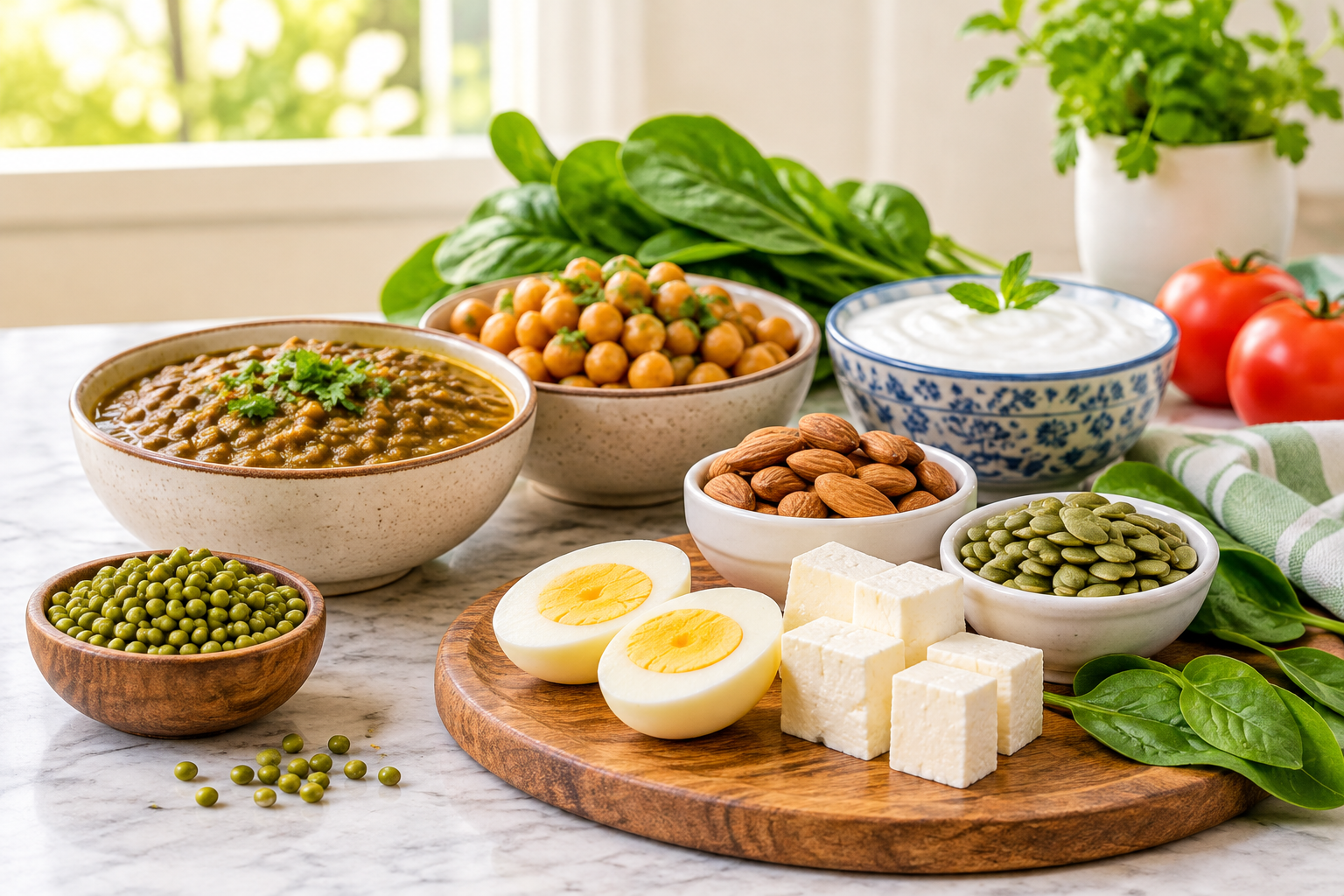 Also ReadHow Much Protein Do You Really Need Every Day?Discover how much protein you need daily, the best vegetarian and non-vegetarian protein sources, and simple ways to include protein in your diet.
In this article, you will learn how to prepare healthy vegetable khichdi, which ingredients to use, and how to make it more nutritious.
Why Choose Vegetable Khichdi?
Traditional khichdi combines rice and lentils, providing carbohydrates and plant-based protein.
Adding vegetables increases the variety of nutrients and dietary fibre in the meal.
Some benefits of homemade vegetable khichdi include:
- Easy preparation using everyday ingredients.
- A combination of rice and plant-based protein.
- An opportunity to include different vegetables.
- Customisable spices and seasoning.
- Suitable for a simple lunch or dinner.
- Affordable and convenient for families.
The nutritional value depends on the ingredients, quantities, and cooking method.
Ingredients Required
This recipe makes approximately 3–4 servings.
Main Ingredients
- ½ cup rice
- ½ cup yellow moong dal
- 1 small carrot, chopped
- ½ cup green peas
- ½ cup chopped beans
- 1 small potato, chopped
- 1 small onion, chopped
- 1 small tomato, chopped
- 1 teaspoon ginger paste
- ½ teaspoon cumin seeds
- ¼ teaspoon turmeric powder
- ½ teaspoon coriander powder
- 1 teaspoon ghee or cooking oil
- Salt to taste
- 4–5 cups water, depending on desired consistency
Optional Ingredients
- A few spinach leaves.
- Small pieces of cauliflower.
- A pinch of asafoetida.
- Fresh coriander leaves.
- A little lemon juice.
You can adjust the vegetables according to seasonal availability.
Step-by-Step Vegetable Khichdi Recipe
Step 1: Wash the Rice and Dal
Take rice and yellow moong dal in a bowl.
Wash them thoroughly under clean running water until the water becomes relatively clear.
Soak them together for approximately 15–20 minutes if you have time.
Drain the water before cooking.
Soaking can help reduce cooking time.
Step 2: Prepare the Vegetables
Wash all vegetables properly.
Peel the carrot and potato if required.
Chop the carrot, potato, beans, onion, and tomato into small pieces.
Keep the green peas ready.
Cutting vegetables into small pieces helps them cook evenly with the rice and lentils.
Step 3: Prepare the Tempering
Heat one teaspoon of ghee or cooking oil in a pressure cooker.
Add cumin seeds and allow them to release their aroma.
Add a pinch of asafoetida if desired.
Now add chopped onion and ginger paste.
Sauté until the onion becomes slightly soft.
Step 4: Add Vegetables and Spices
Add chopped carrots, beans, potatoes, peas, and tomatoes.
Mix everything gently.
Add turmeric powder, coriander powder, and salt.
Cook for approximately 2–3 minutes.
This step helps the vegetables absorb the flavour of the spices.
Step 5: Add Rice and Moong Dal
Add the washed rice and moong dal to the cooker.
Mix gently with the vegetables.
Pour in approximately 4–5 cups of water.
Adjust the quantity according to whether you prefer thick or soft, porridge-like khichdi.
Step 6: Pressure Cook
Close the pressure cooker lid.
Cook over medium heat until the rice, dal, and vegetables become soft.
The exact cooking time depends on the pressure cooker, soaking time, and ingredients.
Allow the pressure to release safely before opening the cooker.
Check the consistency.
If the khichdi is too thick, add a little hot water and simmer for a few minutes.
Step 7: Garnish and Serve
Add freshly chopped coriander leaves.
Mix gently.
Serve the vegetable khichdi warm.
You can enjoy it with plain yoghurt, cucumber salad, or a small portion of homemade pickle.
Your healthy homemade vegetable khichdi is ready!
How to Make Vegetable Khichdi More Nutritious
A few simple additions can improve the variety of nutrients in your khichdi.
1. Add More Vegetables
Try including spinach, cauliflower, bottle gourd, carrots, beans, or peas.
Using different vegetables adds variety to the meal.
2. Increase the Protein Content
You can experiment with different lentils or add cooked chickpeas to your meal.
A serving of plain yoghurt can also contribute additional protein.
3. Choose Whole Grains
You can replace some or all of the white rice with brown rice or millets.
However, cooking times and water requirements may change depending on the grain.
4. Use Moderate Amounts of Ghee
A small amount of ghee can improve flavour.
Avoid adding excessive quantities if you are trying to keep the meal lower in fat.
5. Control Salt
Use moderate amounts of salt and avoid adding too much packaged seasoning.
People who need to follow a low-sodium diet should follow their healthcare professional’s advice.
Three Healthy Variations of Khichdi
You can prepare several versions of khichdi using the same basic method.
1. Moong Dal Vegetable Khichdi
This is the basic recipe described above.
Use rice, yellow moong dal, carrots, peas, beans, and mild spices.
It is a convenient everyday meal.
2. Millet Vegetable Khichdi
Replace rice with foxtail millet or another suitable millet.
Wash and prepare the millet according to its cooking requirements.
Add moong dal and vegetables.
Adjust the water and cooking time because different millets behave differently during cooking.
3. Spinach Khichdi
Add finely chopped spinach during the cooking process.
Spinach contributes colour, fibre, and several micronutrients.
You can also add a little garlic and cumin for additional flavour.
What to Serve with Vegetable Khichdi
Khichdi can be served as a complete meal or combined with simple side dishes.
Some suitable options include:
- Plain yoghurt.
- Cucumber salad.
- Carrot and tomato salad.
- Roasted papad.
- Fresh coriander chutney.
- Homemade pickle in a small quantity.
- Buttermilk.
Choose side dishes according to your nutritional needs and personal preferences.
Tips for Making Perfect Khichdi
Wash Rice and Dal Properly: This helps remove loose starch and surface impurities.
Soak Before Cooking: Soaking can reduce cooking time.
Use Fresh Vegetables: Fresh seasonal vegetables improve flavour and variety.
Adjust Water Carefully: Use less water for thicker khichdi and more for a softer consistency.
Avoid Excessive Spices: Mild seasoning allows the natural flavours of the ingredients to stand out.
Cook Until Soft: Rice, lentils, and vegetables should be properly cooked.
Serve Fresh: Khichdi tastes especially good when served warm.
How to Store Leftover Khichdi
If you prepare extra khichdi, store it safely.
- Transfer leftovers to a clean container.
- Refrigerate promptly, preferably within two hours of cooking.
- Keep the refrigerator at 4°C or below.
- Consume refrigerated leftovers within 3–4 days.
- Reheat thoroughly before serving.
- Add a little water while reheating if the khichdi has become thick.
Avoid leaving cooked rice and lentils at room temperature for extended periods.
Is Vegetable Khichdi Suitable for Dinner?
Vegetable khichdi can be a convenient dinner option because it combines grains, lentils, and vegetables in one dish.
However, portion size and ingredients should depend on individual energy requirements and dietary preferences.
You can make it more balanced by serving it with plain yoghurt or a fresh vegetable salad.
Final Thoughts
Healthy vegetable khichdi is a simple Indian recipe that combines familiar ingredients into a wholesome homemade meal.
Rice, moong dal, and fresh vegetables provide a useful combination of carbohydrates, plant-based protein, fibre, and other nutrients.
The recipe is flexible, affordable, and easy to customise.
You can prepare traditional moong dal khichdi, experiment with millets, or add seasonal vegetables according to your taste.
Instead of relying on complicated recipes, sometimes simple homemade meals are the easiest way to maintain a balanced eating routine.
Frequently Asked Questions
1. Is vegetable khichdi healthy?
Vegetable khichdi can be part of a balanced diet because it combines grains, lentils, and vegetables. Its nutritional value depends on the ingredients and preparation method.
2. Which dal is best for khichdi?
Yellow moong dal is commonly used because it cooks relatively quickly and combines well with rice. Other lentils can also be used.
3. Can I eat khichdi every day?
Khichdi can be included regularly, but eating a variety of foods is important for obtaining different nutrients.
Also ReadHow Much Protein Do You Really Need Every Day?Discover how much protein you need daily, the best vegetarian and non-vegetarian protein sources, and simple ways to include protein in your diet.
4. Can I make khichdi without ghee?
Yes. You can prepare khichdi using a small amount of vegetable oil or by cooking the ingredients directly with water and spices.
5. Is khichdi good for dinner?
It can be a convenient dinner option. Adjust the portion size and ingredients according to your individual nutritional needs.
6. Can I use brown rice instead of white rice?
Yes. Brown rice can be used, but it generally requires a different cooking time and water quantity.
Health Disclaimer: This article is intended for general educational purposes only. Individual nutritional needs vary. Consult a qualified healthcare professional or registered dietitian for personalised dietary advice.